
Articles on the Alexander Technique
These articles are on various subjects related to the Alexander Technique, particularly on the relationship between the Technique and psychotherapy. They were mostly written between 2015–2018, and were edited and updated in 2024.
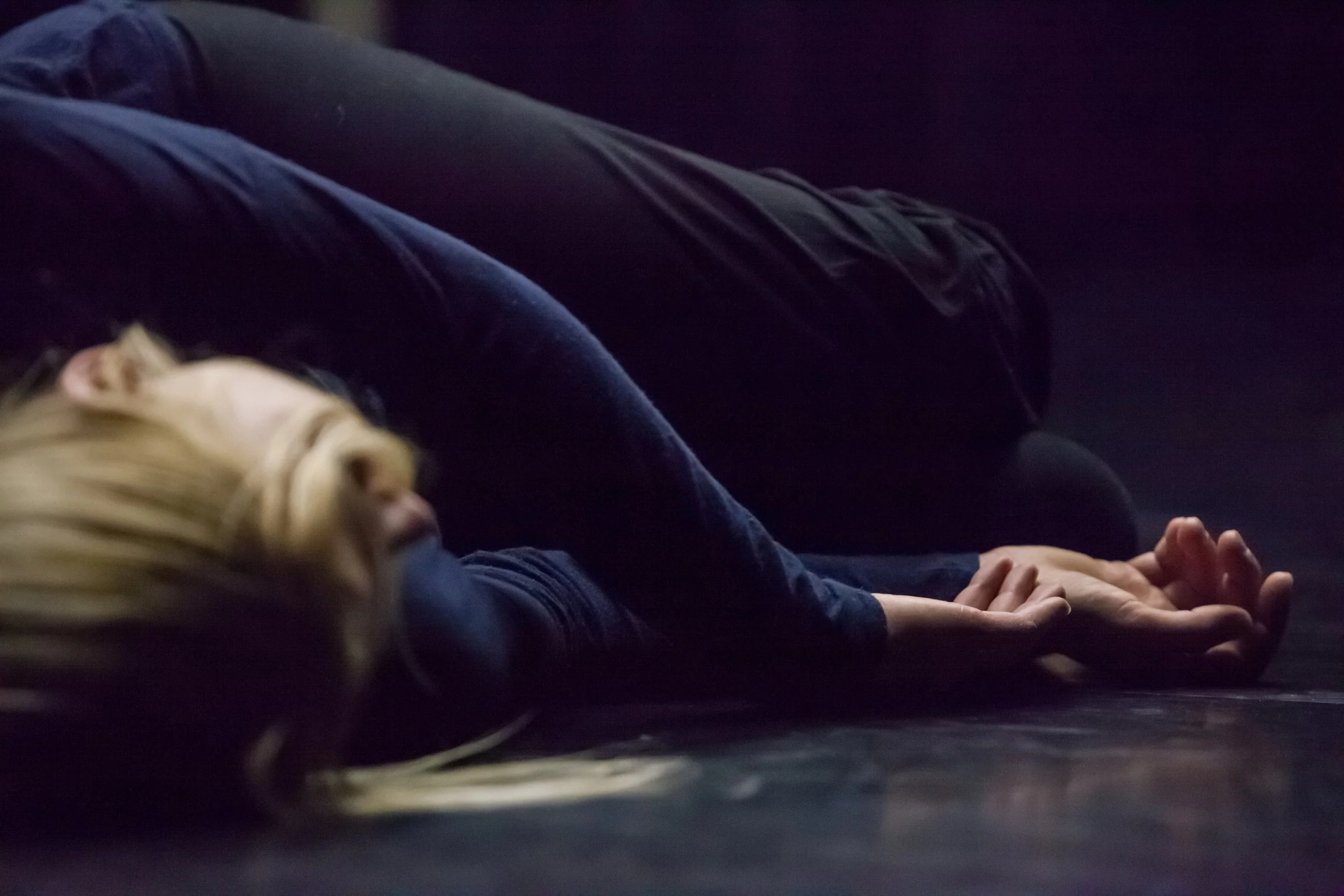
Precariousness on the Edge
One thing that I play with often – both on my own and with students – is lying on one's side. I like this because it gives us a chance to explore some of the factors we need to manage in our relationship with gravity when we’re upright – balance, precariousness and our relationship with the ground – but in a much gentler way, and with much lower stakes.

Alexander and the Pursuit of Beauty
There’s been a lot written about Alexander in relation to more spontaneous creative pursuits—music, dance, acting, etc.—but not so much in relation to making and craft….

Technique, Values and Kinemotional Experience
Apparently we Alexander teachers are passing on a ‘technique’. At least that’s what it says on the tin….

Teaching Back to Back
Now and again in the last few years I’ve found myself sitting back-to-back with my Alexander students. This can be a powerful resource in the right situation, so I thought I’d share some of the ways I use it, and how it can be helpful…..

Spreading our Wings and Keeping our Heart
Can we as Alexander teachers incorporate understandings from other modalities into our work without losing the essence of what we are and what we do?

Trauma, Emotion and the Alexander Technique
Traditionally, Alexander teachers have been reticent to fully engage with the emotional and relational factors that can turn up in the work. Alexander lessons have been viewed relatively simply, as a place where mental and kinaesthetic skills and understanding are passed on in various ways….

Polyvagal Theory and the Alexander Technique
Polyvagal theory has had a significant impact on how body-focussed practitioners conceptualise what they do over the last couple of decades, and has found a central place in many approaches to working with developmental trauma and PTSD….

Relational Depth in Alexander Teaching
A typical Alexander Technique lesson is not an entirely straightforward teaching situation: because the hands-on work is often experienced as therapeutic by students whether or not that is the intention; because it may cause the release of traumatic, suppressed and repressed emotional material; and because often its principles can’t be integrated into people’s lives without addressing pre-existing emotional blockages….

Exploring the Alexander Technique with Walter Carrington — Review
I recently wrote a review of Sean Carey’s latest book about Walter Carrington’s work for Poise Journal.